
This course is specifically aimed at students who plan to take the TOEFL IBT test in the very near future; in order to study abroad. Even if you decide not to register for the test; which you will have to do yourselves; you will have practiced and improved your skills in all four areas. Test practice will be alternated with a variety of more communicative exercises.

This course is for students who are interested in the study of language and linguistics. The focus is on explicit study of language as a system and how it is used. No prior knowledge of linguistics is required.
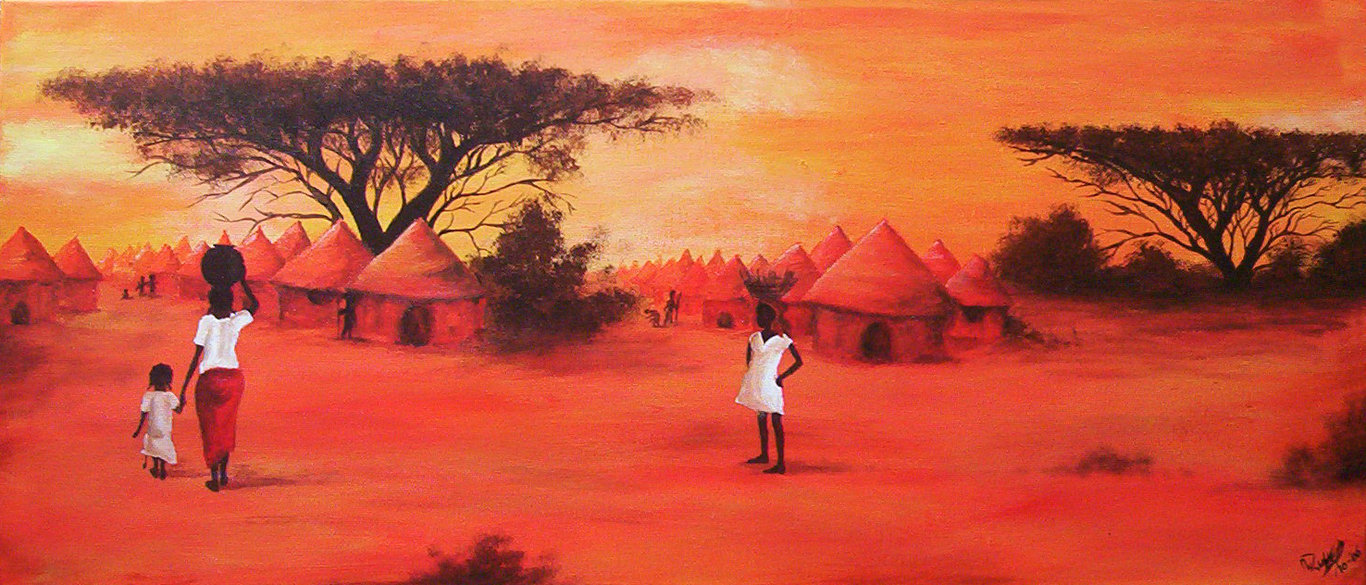
Full of economic potential; vibrant culture; innovative minds and sought-after riches; Africa is a bright; varied and enchanting continent. The thematic aim of this course is to look at multiple aspects of this fascinating continent. Once known by Europeans as the dark continent; Africa has changed immeasurably in a few decades and its development continues to make great strides forward; despite huge and varied challenges faced by each country. Films and ‘western’ media have often dwelt on negative stories of conflict; famine; poverty and corruption; but there are lesser-known portraits showing the resilience and innovation of Africans; their rich culture and their ambitions for the future. Among the many topics we could look at; we’ll focus on what interests you most and you are welcome to suggest other aspects. Perceptions of Africa – accurate portraits or ignorant prejudice? Diversity of people; geography; language Pre-colonial history; colonisation and its impacts; independence and Africa now Art; music and cultural life; films and literature The wildlife trade; conservation; tourism and the environment Governance; conflict; corruption; dictatorships and democracy Development and humanitarian projects Focus on particular countries and regions Current affairs Language skills Speaking: discussions; debates and oral presentations with slides (your topic) Oral comprehension: watching documentary/film extracts and commenting (examples: The Lost Kingdoms; Blood Diamond; Tsotsi; Hotel Rwanda; Invictus; Darwin’s Nightmare; The Constant Gardener; The Boy who Harnessed the Wind or …open to suggestions!) Reading: press articles and online research; as well as vocabulary acquisition Writing: written assignments: factual or opinion pieces (choice of subjects) You will have practised all four skill areas in a lively; positive atmosphere allowing for the confident exchange of ideas; perceptions and facts.

We will retrace the steps of our modern world by focusing on the life and times of the thinkers who assisted in its construction; including the predominant thoughts and events that defined them. Was Machiavelli the first Modernist? Why does Mary Wollstonecraft matter? What did Karl Marx say about Louis Bonaparte? Who murdered Jean Jaurès? Which USA: John Rawls; William Buckley; or Christopher Lasch? Why did Naomi Klein write No Logo?

This course is specifically designed for students following the work/study program at Ensta Paris. Contrary to your English courses in 1st year where you were mixed with non-apprentice students and could choose the theme; your schedule with 4 weeks on site and 4 weeks in company means that you have a class tailored to your needs in terms of skills’ development.

This is a course about 19th and 20th century American poetry in which we will read a sampling of texts throughout the two centuries from Ralph Waldo Emerson (1803-1882); Edgar Allan Poe (1809-1849); Henry David Thoreau (1817-1862); Walt Whitman (1819-1892); Emily Dickinson (1830-1886); Harriet Monroe (1860-1936); Gertrude Stein (1874-1946); Robert Frost (1874-1963); Wallace Stevens (1879-1955); Mina Loy (1882–1966); William Carlos Williams (1883-1963); Ezra Pound (1885-1972); H. D. (Hilda Doolittle) (1886-1961); Marianne Moore (1887-1972); T. S. Eliot (1888-1965); Edna St. Vincent Millay (1892-1950); E. E. Cummings (1894-1962); Hart Crane (1899-1932); Langston Hughes (1902-1967); Allen Ginsberg (1926-1997); Adrienne Rich (1929-2012) and Sylvia Plath (1932-1963). Students will develop their familiarity with American literature; culture; history; and philosophy through the reading of these 20 authors and learn to express their interpretations through an online poetry blog. We will also practice reading the poems aloud to improve pronunciation. In addition; students will choose one author to present to the class.
This course is designed to help students develop their vocabulary in English specific to the field of engineering; learn how to do technical writing about engineering topics in English; improve their reading comprehension of engineering articles in English; and practice discussing; presenting; and pitching engineering projects in English.
